Neuroadaptive Interaction
What is Neuroadaptive Interaction?
Neuroadaptive Interaction refers to human-machine systems that dynamically adapt to the user's cognitive and physiological state in real time. Using biosignals such as EEG, ECG, pupillometry, or speech dynamics, these systems infer momentary indicators like mental workload, vigilance, attentional focus, or fatigue.
Unlike traditional user interfaces, neuroadaptive systems operate as closed-loop architectures: they continuously monitor the user’s state, interpret the data through cognitive modeling, and adapt interface behavior - modulating information density, control complexity, or feedback strategies. This enhances operational synchrony, minimizes cognitive overload, and supports sustainable performance in high-stakes, time-critical environments.
At HML, we see neuroadaptive systems not just as technological solutions, but as cognitive support structures - augmenting human resilience and decision integrity in environments where error is not an option.
Our Expertise
Our work in neuroadaptive interaction combines cutting-edge neuroscience, data-driven modeling, and interface engineering - tailored to the specific demands of defense and critical infrastructure contexts.
Key areas of expertise include:
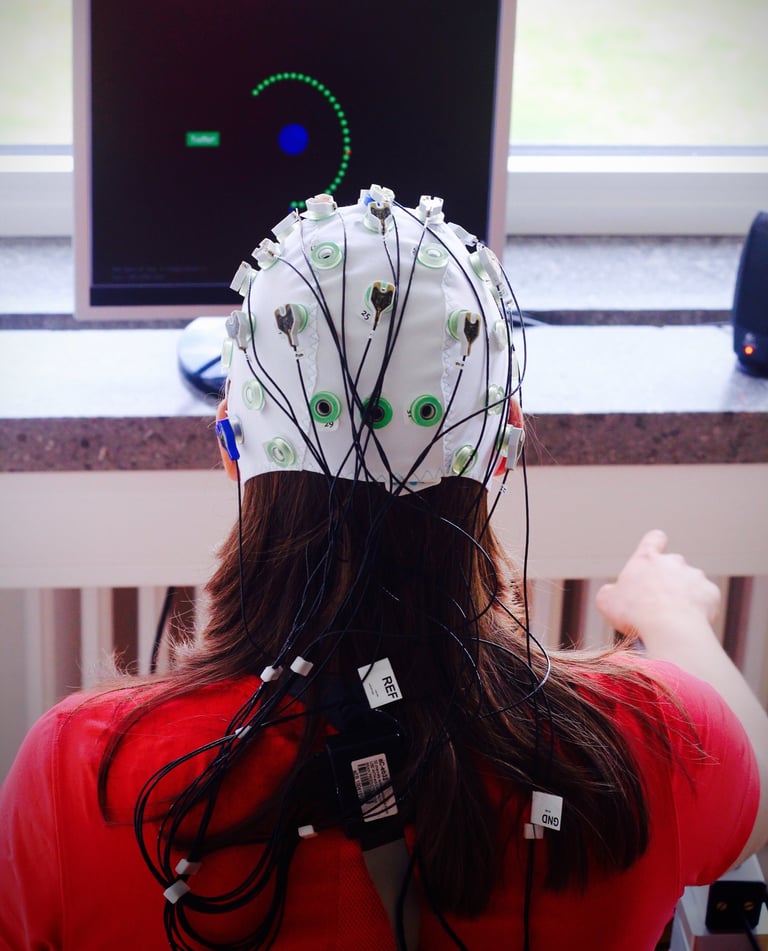
Multimodal biosignal acquisition and sensor fusion, including high-resolution EEG, electrodermal activity (EDA), electromyography (EMG), eye-tracking, voice analysis, motion capture, and respiration monitoring
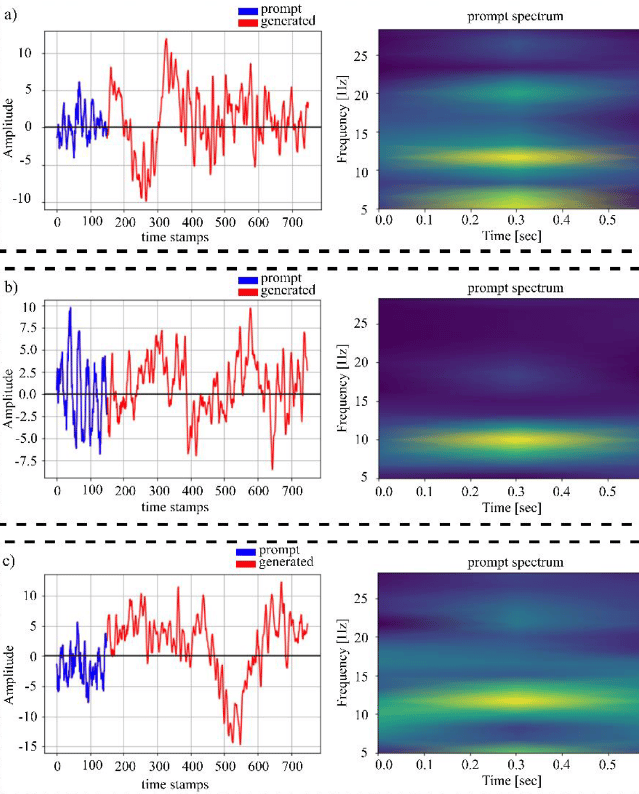
Cognitive state modeling using machine learning and hybrid techniques, enabling real-time estimation of workload, vigilance, overload, and attentional shifts
Design and validation of adaptive interface architectures, featuring context-aware interfaces, cognitive-load-sensitive visual design, and intuitive multimodal controls
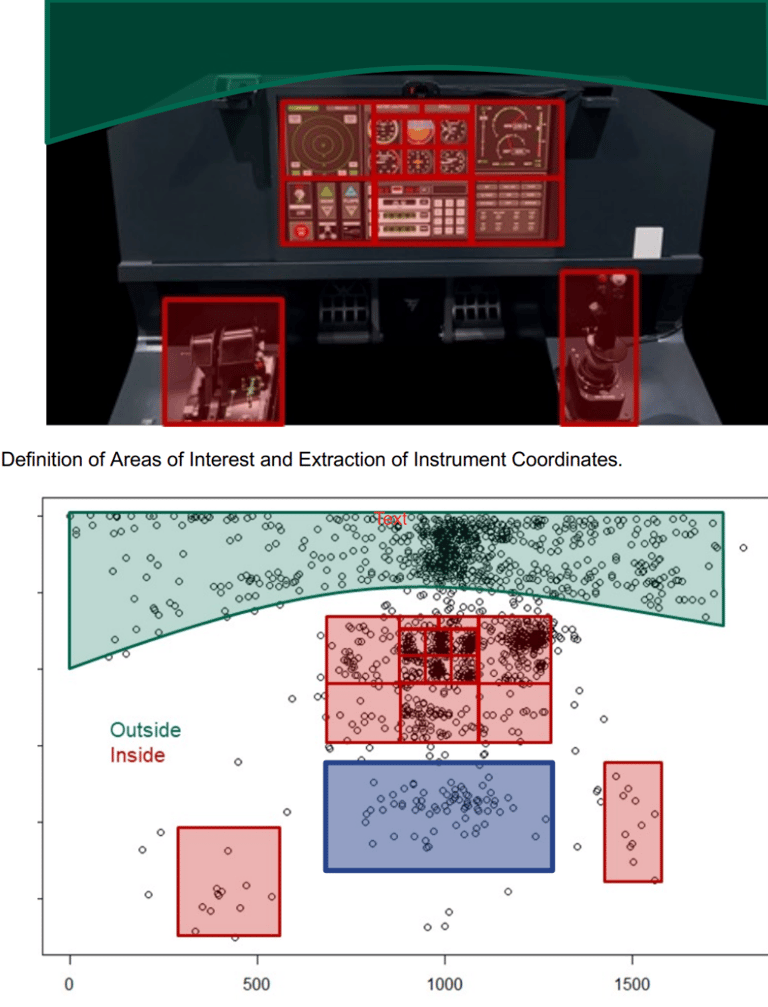
Simulation-based evaluation under mission conditions, such as aircraft cockpits, command posts, remote control stations, and degraded operational states
Privacy-compliant and ethically robust data processing frameworks, covering feature extraction, explainable AI, and full regulatory compliance
Our methodological core is the integration of psychophysiological modeling and neuroergonomic design principles into mission-ready systems.
What We Offer
HML provides comprehensive development, evaluation, and integration services for neuroadaptive systems in safety-critical and defense-related domains. Our offerings include:
Feasibility studies for neuroadaptive augmentation of existing platforms, including e.g. command interfaces, control stations, simulation tools
Custom prototype development with real-time psychophysiological feedback integration, featuring modular sensor pipelines, real-time data processing, adaptive control loops
Simulation environments for operator testing under cognitive load, offering configurable scenarios, embedded state monitoring, adaptive interface trials
Validated cognitive state monitoring modules for workload classification, attention tracking, decision support integration
Joint research & development partnerships, organized as bilateral co-design formats with data governance, operational secrecy, and dual-use alignment
All solutions are developed with a strong focus on modularity, robustness, and empirical validation - ensuring scientific credibility and field applicability.
Get in Touch
Should you be interested in exploring collaboration opportunities, seeking a customized solution, or simply engaging in an open dialogue about neuroadaptive systems, please do not hesitate to reach out. We are happy to offer non-binding consultations to discuss how our expertise can best support your specific operational or research requirements.
Address
Gustav-Poensgen-Straße 29
40215 Düsseldorf
Germany